Categories
Uncategorized

Minoxidil: How It Works, Who It Helps, and What to Expect — A Trichologist’s Guide

Minoxidil: How It Works, Who It Helps, and What to Expect — A Trichologist’s Guide

Minoxidil is one of the most widely used hair‑loss treatments in the world — but most people don’t actually understand how it works, who it’s suitable for, or what the first few months realistically look like. As a UK‑based trichologist, I see the same concerns come up again and again: “Is shedding normal?” “Why is my scalp irritated?” “Does it work for women?” “How long until I see results?”

This guide brings everything together in one place so you can make informed, confident decisions about your hair‑loss journey.

What Minoxidil Actually Does (Explained Simply)

Minoxidil doesn’t change hormones. It doesn’t block DHT. It doesn’t “fix” the underlying cause of hair loss.

What it does do is support the hair follicle through three key mechanisms:

  1. It increases blood flow around the follicle

This improves oxygen and nutrient delivery to the root.

  1. It shortens the resting (telogen) phase

More follicles move back into active growth sooner.

  1. It extends the growth (anagen) phase

This helps hairs grow for longer before shedding.

The result: More hairs growing at once, and for longer periods.

This is why consistency matters — the benefits build gradually over time.

Who Minoxidil Works Best For

Minoxidil can be helpful for many types of hair thinning, but it’s not universal. People who tend to respond well include:

  • Women with early‑stage Female Pattern Hair Loss (FPHL)
  • Men with early Male Pattern Hair Loss
  • Postpartum shedding (once hormones stabilise)
  • Stress‑related or illness‑related shedding
  • Diffuse thinning where follicles are miniaturising
  • People experiencing age‑related density changes

Minoxidil is less effective when:

  • Follicles have been dormant for many years
  • There is significant scarring or inflammation
  • The underlying cause is untreated (e.g., thyroid instability, iron deficiency, chronic stress)

If you’re unsure which category you fall into, a professional scalp assessment can help clarify this.

Minoxidil for Women vs Men

Although the active ingredient is the same, the context is different.

Women often have:

  • Diffuse thinning rather than recession
  • Hormonal influences (thyroid, postpartum, perimenopause)
  • Sensitivity to irritation
  • Slower visible changes due to longer hair cycles

Men often have:

  • Recession at the temples
  • Crown thinning
  • Faster visible changes
  • More predictable patterning

Because women’s hair loss is more complex, many benefit from a combined approach — lifestyle, scalp health, and targeted topical support.

What to Expect in the First 12 Weeks

This is where most people panic — because the early stages can feel counterintuitive.

Weeks 1–4: Adjustment Phase

  • Scalp may feel slightly dry or irritated
  • Some people notice increased shedding
  • This is usually follicles shifting back into growth mode

Weeks 4–8: Stabilisation Phase

  • Shedding begins to settle
  • Scalp adjusts to the product
  • Early “fuzz” or short new hairs may appear at the hairline or parting

Weeks 8–12: Early Response Phase

  • Density may feel subtly improved
  • Fewer hairs in the brush or shower
  • Texture may feel stronger at the root

Most people need 3–6 months to see meaningful change, and 6–12 months for full results.

Shedding: Why It Happens and When It Stops

Shedding is one of the most common concerns — and one of the most misunderstood.

Minoxidil can temporarily increase shedding because:

  • It pushes out older hairs that were already due to shed
  • It accelerates the shift into the growth phase
  • It synchronises the cycle, so more hairs renew at once

This is called “anagen effluvium” and is usually temporary.

If shedding feels excessive or prolonged, a trichologist can help identify whether something else is contributing.

Side Effects: What’s Normal vs Concerning

Most people tolerate Minoxidil well, but some experience:

Common, usually mild effects:

  • Dryness
  • Flakiness
  • Mild irritation
  • Temporary shedding

Less common:

  • Itching
  • Redness
  • Sensitivity to alcohol or propylene glycol

If irritation persists, a professional can help explore alternative formulations or supportive scalp‑care strategies.

When Minoxidil Isn’t Enough

Minoxidil supports the growth cycle — but it doesn’t address:

  • Hormonal imbalances
  • Thyroid issues
  • Nutrient deficiencies
  • Chronic stress
  • Inflammation
  • Scalp barrier dysfunction

If these are present, results may be limited until the underlying factors are addressed.

A trichologist can help identify what’s contributing and build a tailored plan.

When to See a Trichologist

You may benefit from a consultation if:

  • You’re unsure what type of hair loss you have
  • Shedding feels excessive or prolonged
  • You’ve tried Minoxidil but seen little change
  • You’re experiencing irritation
  • You want a combined approach (e.g., peptides, scalp treatments, lifestyle support)
  • You want clarity before committing to long‑term treatment

A professional assessment can save months of trial and error.

Book a Consultation

If you’d like personalised guidance, a scalp assessment, or support choosing the right treatment approach, you can book a consultation. Understanding your hair loss clearly is the first step toward improving it.
 

Categories
Uncategorized

Hair Therapy for Hair Loss by Expert Trichologist in Kent

Introduction

Hair loss can feel overwhelming, especially when you’re unsure what’s causing it or which treatments genuinely work. Many people search for “hair therapy for hair loss” because they want a non‑surgical, evidence‑based way to improve shedding, thinning, or scalp discomfort.

As a Consultant Trichologist, I see every day how targeted hair therapy can support the hair growth cycle, calm inflammation, and create a healthier scalp environment. This blog breaks down what hair therapy actually involves, who it’s suitable for, and what kind of results you can expect.


What Is Hair Therapy for Hair Loss?

Hair therapy refers to a range of clinical treatments designed to improve scalp health, strengthen the hair, and support the follicles. Unlike cosmetic products, hair therapy focuses on the underlying causes of hair loss — inflammation, hormonal influences, nutritional factors, and scalp conditions.

A trichological assessment helps determine which therapies are appropriate for your specific diagnosis.


Who Is Hair Therapy Suitable For?

Hair therapy can help if you’re experiencing:

  • Gradual thinning or reduced density
  • Excessive daily shedding
  • Early‑stage androgenetic alopecia
  • Post‑partum or post‑illness shedding
  • Stress‑related hair loss (telogen effluvium)
  • Scalp inflammation or irritation
  • Weak, brittle, or slow‑growing hair

If you’re unsure what type of hair loss you have, a professional assessment is essential — different conditions require different approaches.


Benefits of Hair Therapy

Hair therapy can:

  • Improve scalp circulation
  • Reduce inflammation around the follicles
  • Strengthen the hair shaft
  • Support the anagen (growth) phase
  • Slow or stabilise shedding
  • Improve overall scalp health
  • Enhance the effectiveness of other treatments

These benefits make hair therapy a valuable option for both men and women seeking non‑invasive support.


Types of Hair Therapy We Offer

1. Scalp Therapy Treatments

Designed to rebalance the scalp, reduce inflammation, and create an optimal environment for hair growth. This may include exfoliation, hydration therapy, and anti‑inflammatory formulations.

2. LED / Low‑Level Light Therapy (LLLT)

A clinically supported at home treatment that uses specific wavelengths of light to stimulate cellular activity and support hair growth via a cap/hood or device.

3. Clinical Trichology Treatment Plans

Fully personalised plans based on diagnostic findings, including nutritional support, topical therapies, scalp care protocols, and lifestyle recommendations.


What Results Can You Expect?

Hair therapy works gradually because hair grows in cycles. Typical timelines include:

  • 4 weeks: Improved scalp comfort and reduced irritation
  • 8–12 weeks: Noticeable reduction in shedding
  • 12–24 weeks: Improvements in density, volume, and hair strength

Consistency is key for long‑term improvement.


Clinician’s Note

Hair loss is rarely caused by a single factor. A thorough trichological assessment ensures that the therapy you receive is targeted, evidence‑based, and appropriate for your specific diagnosis.


Hair Therapy for Hair Loss in Kent

My clinic supports clients across Rochester, Gillingham, Medway, and the wider Kent area. If you’re looking for professional, non‑surgical hair therapy delivered by a qualified Consultant Trichologist, you’re in the right place.


Frequently Asked Questions

Does hair therapy work for female hair loss?

Yes — especially for early‑stage thinning, hormonal shedding, and post‑partum changes.

Is hair therapy painful?

No. All treatments are gentle, non‑invasive, and designed for comfort.

How do I know which therapy I need?

A clinical consultation determines the cause of your hair loss and the most effective treatment plan.


Conclusion

Hair therapy for hair loss is a powerful, non‑surgical way to support healthier hair growth, reduce shedding, and improve scalp health. Whether you’re experiencing early thinning, sudden shedding, or long‑term scalp issues, targeted therapy can make a meaningful difference — especially when guided by a clinical diagnosis.

If you’re ready to understand what’s happening with your hair and explore the right treatment options, a professional consultation is the best place to begin.

Categories
Uncategorized

Hair Breakage: Causes, Diagnosis & Treatment Mid Kent Trichology

Understanding Hair Breakage: A Trichologist’s Guide to Causes, Diagnosis, and Recovery

Hair breakage is one of the most frequent concerns clients raise during a trichology consultation. Although many people assume breakage is simply due to dryness or over‑styling, the reality is more complex. Breakage is often a sign of deeper structural, scalp‑related, or health‑related issues that require proper assessment.

This guide explains what hair breakage is, why it happens, and how a clinical trichologist approaches diagnosis and treatment.


What Hair Breakage Really Means

Hair breakage occurs when the hair fibre becomes weakened and snaps along its length. Unlike shedding—where the entire hair including the root is released—breakage leaves behind short, uneven strands and a rough, frayed texture.

Common signs include:

  • Short, snapped hairs around the hairline or crown
  • Rough or brittle texture
  • Difficulty retaining length
  • Excessive tangling
  • White “dots” along the hair shaft (a sign of structural weakness)

Breakage is a symptom, not a diagnosis. Understanding the underlying cause is essential for effective treatment.


Common Causes of Hair Breakage

Breakage can result from a single factor or a combination of internal and external influences.

Mechanical Stress

Daily habits can gradually weaken the hair shaft.
Examples include tight hairstyles, rough brushing, extensions, or friction from cotton pillowcases.

Chemical Damage

Chemical processes alter the structure of the hair fibre.
Bleaching, colouring, relaxers, perms, and keratin treatments can all lift the cuticle and expose the cortex, making the hair more prone to snapping.

Heat Damage

High temperatures weaken the protein bonds within the hair.
Straighteners, curling wands, and blow‑dryers without heat protection often cause mid‑shaft breakage and frizz.

Scalp and Medical Factors

This is where trichology becomes essential.
Underlying issues may include:

  • Chronic scalp inflammation
  • Seborrhoeic dermatitis
  • Psoriasis
  • Iron deficiency
  • Thyroid imbalance
  • Hormonal changes
  • Certain medications

When the scalp environment is compromised, the hair fibre grows out weaker from the root.

Nutritional Deficiencies

Hair is a protein fibre, and inadequate nutrition can affect its strength.
Low iron, low ferritin, insufficient protein intake, and certain vitamin deficiencies can all contribute to fragile hair.


How a Trichologist Diagnoses Hair Breakage

A professional trichology assessment goes far beyond simply looking at the hair.

Clinical Examination

A trichologist evaluates:

  • Scalp condition
  • Pattern and location of breakage
  • Hair shaft under magnification
  • Presence of inflammation or scaling
  • Overall density and growth pattern

Microscopic Hair Analysis

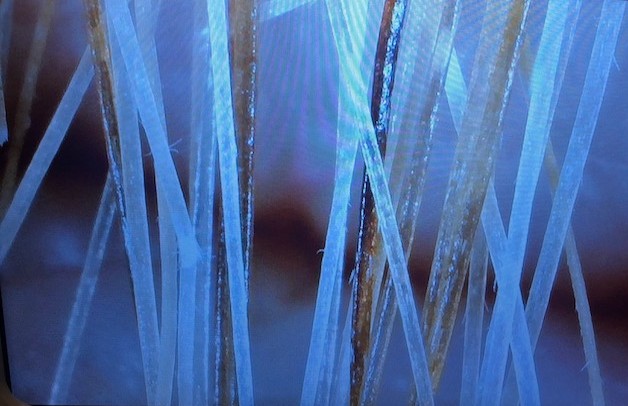
Using magnification, a trichologist can identify:

  • Weathering
  • Trichorrhexis nodosa (white nodules)
  • Bubble hair (heat damage)
  • Split ends and mid‑shaft fractures
  • Chemical over‑processing
  • Signs of traction or mechanical stress

This allows for a precise diagnosis rather than guesswork.

Medical and Lifestyle Review

Breakage is often linked to internal factors.
A trichologist may explore:

  • Nutrition
  • Stress levels
  • Hormonal changes
  • Medication history
  • Haircare routines
  • Recent illnesses or infections

This holistic approach ensures the underlying cause is identified and addressed.


Effective Treatment for Hair Breakage

Treatment depends on the cause, but a typical plan may include:

Strengthening the Hair Fibre

Protein‑based treatments, moisture‑balancing conditioners, bond‑repairing products, reduced heat exposure, and safe protective styling.

Improving Scalp Health

Anti‑inflammatory scalp treatments, medicated shampoos (when appropriate), and gentle cleansing routines.

Addressing Internal Factors

If breakage is linked to nutrition, hormones, or health conditions, a trichologist may recommend blood tests, dietary adjustments, or medical referral.

Correcting Haircare Habits

Guidance on brushing techniques, washing frequency, product selection, heat protection, and safe styling practices.


When to Seek Professional Help

Persistent breakage, thinning, or changes in hair texture often indicate an underlying issue that requires expert assessment. A trichologist can identify the root cause, create a personalised treatment plan, and help restore both scalp health and hair strength.

If you’re experiencing ongoing breakage or changes in hair texture, a professional assessment can provide clarity and a clear path forward. At Mid Kent Trichology in Rochester, I offer evidence‑based scalp and hair analysis to identify the underlying cause and create a personalised treatment plan.

Book a consultation today to begin restoring your hair’s strength and resilience.

Categories
Uncategorized

Hair Dandruff Specialist & Trichologist: Expert Treatment for Persistent Scalp Flakes

Why Seeing a Hair Dandruff Specialist or Trichologist Can Transform Your Scalp Health

Dandruff is one of the most common scalp concerns worldwide, yet it remains one of the most misunderstood. Many people spend years cycling through over‑the‑counter shampoos, home remedies, and internet hacks, only to find that the flakes keep returning. What most don’t realise is that persistent dandruff is rarely just a cosmetic issue—it’s often a sign of an underlying scalp imbalance that needs targeted, professional care. This is where consulting a hair dandruff specialist or a qualified trichologist becomes genuinely transformative.

Understanding What Dandruff Really Is

Dandruff isn’t simply “dry scalp,” although dryness can contribute. In many cases, it’s linked to an overgrowth of Malassezia, a yeast that naturally lives on the scalp. When the scalp’s microbiome becomes disrupted—due to stress, hormones, product buildup, or genetics—this yeast can trigger inflammation, itching, and the characteristic white or yellow flakes.

Other conditions can mimic dandruff, including:

  • Seborrhoeic dermatitis
  • Psoriasis
  • Contact dermatitis
  • Eczema
  • Fungal infections

Each of these requires a different treatment approach, which is why guessing your way through products rarely works long‑term.

Why a Trichologist Makes All the Difference

A hair dandruff specialist such as a trichologist, is trained to identify the root cause of your symptoms rather than treating the flakes alone. They use clinical assessment, scalp imaging, and detailed history‑taking to understand what’s really happening beneath the surface.

Here’s what sets a specialist apart:

Accurate Diagnosis

Many people misdiagnose themselves. What looks like dandruff may actually be seborrhoeic dermatitis or early psoriasis. A trichologist can differentiate these conditions and tailor treatment accordingly.

Evidence‑Based Treatment Plans

Instead of trial‑and‑error, you receive a structured plan that may include:

  • Anti‑fungal or keratolytic shampoos
  • Scalp exfoliation protocols
  • Microbiome‑balancing treatments
  • Anti‑inflammatory topicals
  • Lifestyle and stress‑management guidance

This targeted approach reduces symptoms faster and prevents recurrence.

Product Guidance That Actually Works

The haircare market is saturated with “anti‑dandruff” products, but not all are suitable for every scalp. A trichologist helps you avoid harsh ingredients, unnecessary actives, and products that may worsen inflammation.

 Long‑Term Scalp Health Strategy

Dandruff often fluctuates with seasons, hormones, and stress. A specialist provides a long‑term maintenance plan so you can keep your scalp stable year‑round.

Signs You Should See a Trichologist

If any of the following sound familiar, it’s time to book an appointment:

  • Your dandruff persists despite using medicated shampoos
  • You experience redness, soreness, or burning
  • Flakes are thick, greasy, or yellow
  • You notice increased shedding or hair thinning
  • Your scalp feels tight, itchy, or overly oily
  • Symptoms flare during stress or cold weather

These are indicators that your scalp needs more than a quick fix.

What to Expect During a Consultation

A consultation with a trichologisthair dandruff specialist is thorough and personalised. It typically includes:

  • A detailed scalp and hair assessment
  • Discussion of your medical history, lifestyle, and haircare routine
  • Identification of triggers such as stress, hormones, or product buildup
  • A tailored treatment plan with clear steps and timelines

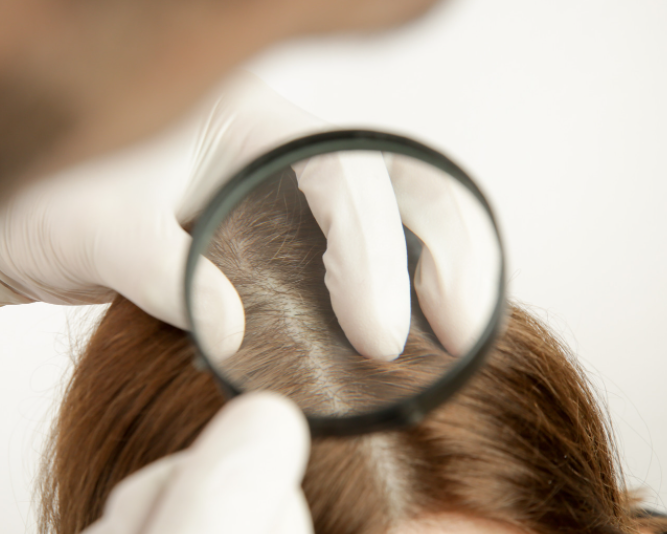
Many specialists also use trichoscopy—magnified scalp imaging—to assess inflammation, scaling patterns, and follicle health. This provides a clearer picture of what’s happening at a microscopic level.

The Benefits of Early Intervention

The longer dandruff is left untreated, the more likely it is to progress into chronic inflammation. Persistent inflammation can weaken the follicle environment, potentially contributing to increased shedding or sensitivity. Early intervention helps:

  • Restore scalp balance
  • Reduce inflammation
  • Prevent flare‑ups
  • Support healthier hair growth
  • Improve comfort and confidence

A trichologist doesn’t just treat the symptoms—they protect the long‑term health of your scalp and hair.

Final Thoughts

Dandruff may be common, but it doesn’t have to be a constant battle. With the right diagnosis and a personalised treatment plan, most people see significant improvement within weeks. If you’ve been struggling with flakes, itching, or scalp discomfort, consulting a hair dandruff specialist or experienced trichologist is one of the most effective steps you can take. Your scalp deserves expert care, and with the right guidance, you can finally achieve long‑lasting clarity, comfort, and confidence.


Categories
Uncategorized

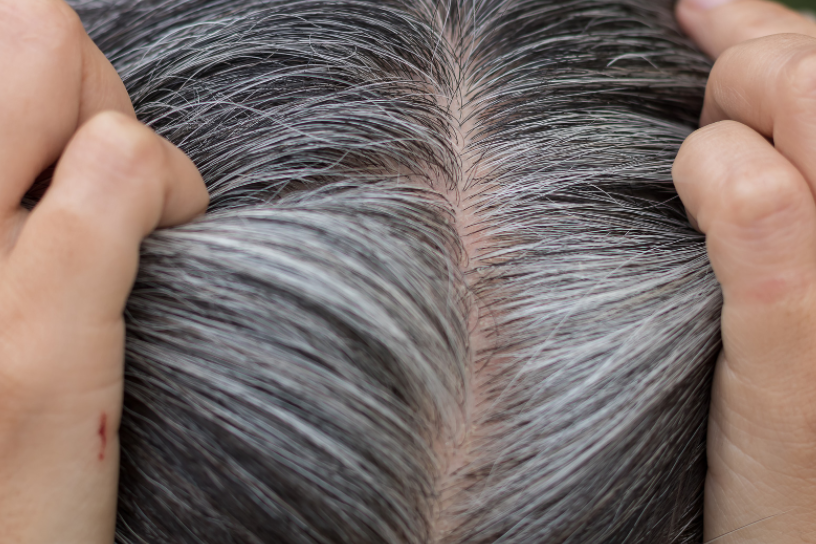
Embracing the Journey: Going Naturally Grey with Confidence

For years, society has pushed the idea that grey hair is something to hide—an unwelcome sign of ageing. But the narrative is changing, and more people are choosing to embrace their natural silver strands with confidence. Going naturally grey is a journey, and whether you’re considering making the switch or already letting go of hair dye, there are many ways to transition gracefully while maintaining healthy, vibrant hair.

Why Go Naturally Grey?

Choosing to embrace grey hair is a personal decision, but there are several compelling reasons to go natural:

Healthier Hair – Reducing exposure to chemical dyes helps strengthen hair follicles and prevent dryness.
Cost & Maintenance – No more frequent salon visits or worrying about regrowth lines.
Authenticity & Confidence – Grey hair isn’t just a trend—it’s a bold statement of self-acceptance and beauty.

Gradual Blending – Some people choose lowlights or highlights to blend their natural grey with dyed hair, creating a softer, natural transition.
Growing It Out – Letting hair grow and trimming old dye gradually helps minimise harsh contrast between roots and coloured ends.
Silver Toners & Purple Shampoo – Using toning treatments keeps grey hair vibrant and free from yellow tones.

Caring for Naturally Grey Hair

Grey hair has a unique texture and requires special care to stay shiny and strong:

Hydration & Moisture – Grey hair tends to be drier, so incorporating deep conditioning treatments helps maintain softness.
UV Protection – Grey strands can become dull from sun exposure, so using hair sunscreen or wearing hats outdoors protects colour vibrancy.
Regular Trims – Maintaining shape and eliminating coarse ends keeps grey hair looking polished.

Breaking the Stereotypes

Society has long associated grey hair with ageing, but today, it represents wisdom, confidence, and natural beauty. Celebrities, influencers, and professionals alike are redefining beauty standards by proudly wearing their silver locks. Whether you’re going grey in your 30s, 40s, or later, the key is embracing it with confidence.

Personalised Hair Care for Naturally Grey Hair

Every individual’s hair has unique needs, and personalised hair care is essential to keeping grey hair looking its best. Seeking trichological advice ensures a personalised approach to hair care,

Choosing the Right Shampoo & Conditioner – Opt for moisturising formulas to prevent dryness and brittleness in silver strands.
Customised Treatments Based on Hair Texture – Whether your grey hair is fine, coarse, wavy, or straight, selecting the right deep conditioning and protein treatments can help maintain shine and softness.
Targeted Scalp Care – A healthy scalp supports stronger hair growth, so consider scalp exfoliation, hydration, and balancing oils tailored to your individual needs.
Adjusting Haircare Routines Over Time – As hair changes with age, adapting your styling products, hydration levels, and protective treatments ensures long-term hair health.

How to Transition to Natural Grey Hair

If you’re ready to embrace your natural grey, here are a few approaches to make the transition smoother:

Final Thoughts

Going naturally grey is a personal journey—one that’s becoming more celebrated and embraced. Whether you’re transitioning slowly or fully committing, embracing your authentic hair colour is an empowering choice.

If you’re considering making the switch, remember that personalised hair care is the key to maintaining healthy, vibrant silver strands. With the right approach, your natural grey hair can shine beautifully! contact the clinic for an appointment.

Categories
Uncategorized

What Hormone Causes Women’s Hair Loss? Understanding DHT & Female Pattern Baldness

Hair loss in women can be deeply distressing, affecting confidence, identity, and overall well‑being. While many factors contribute to female hair thinning, hormonal imbalance is one of the most common causes. Understanding which hormones influence hair loss — especially the role of DHT — can help women make informed decisions about treatment.

This guide explains what hormone causes women’s hair loss, how DHT affects the hair growth cycle, and what you can do to manage hormonal hair thinning effectively.


The Key Hormone Behind Women’s Hair Loss: DHT (Dihydrotestosterone)

The primary hormone responsible for women’s hair loss is DHT (dihydrotestosterone) — a potent derivative of testosterone. Although testosterone is typically associated with men, women also produce small amounts in the ovaries and adrenal glands. Some of this testosterone naturally converts into DHT.

How DHT Causes Hair Thinning in Women

DHT binds to androgen receptors in the scalp and triggers a process known as follicle miniaturisation. Over time:

  • hair follicles shrink
  • the growth phase becomes shorter
  • strands grow back thinner and weaker
  • follicles eventually become dormant

This pattern of gradual thinning is known as female pattern baldness or androgenetic alopecia, the most common form of long‑term hair loss in women.


How DHT Causes Female Pattern Baldness

Women with female pattern hair loss often have increased sensitivity to DHT, even when hormone levels are within a normal range. This sensitivity leads to:

  • reduced follicle size
  • shorter, finer regrowth
  • widening parting
  • reduced density on the crown
  • slow, progressive thinning rather than sudden shedding

Unlike male pattern baldness, women rarely experience complete bald patches — instead, the hair becomes noticeably finer and less dense over time.


Other Hormones That Influence Women’s Hair Loss

While DHT is the main hormone involved, several other hormonal changes can contribute to thinning hair.

Oestrogen

Oestrogen supports healthy hair growth by prolonging the anagen (growth) phase.
When oestrogen levels decline — especially during perimenopause and menopause — many women experience increased shedding and reduced density.

Progesterone

Progesterone helps counterbalance testosterone.
Low progesterone levels allow more testosterone to convert into DHT, increasing the risk of hormonal hair thinning.

Cortisol (Stress Hormone)

Chronic stress elevates cortisol, which disrupts the hair growth cycle and can trigger excessive shedding (telogen effluvium).

Thyroid Hormones

Both hypothyroidism and hyperthyroidism can cause diffuse thinning, dryness, and weakened hair structure.


DHT and Hair Loss in Women: Treatment Options

Managing hormonal hair loss often requires a combination of targeted treatments and lifestyle support.

Minoxidil

A clinically proven topical treatment that stimulates follicles and prolongs the growth phase.

Antiandrogen Medications

Medications such as spironolactone or finasteride (in select cases) help reduce DHT activity and slow female pattern hair loss.

Hormone Replacement Therapy (HRT)

For postmenopausal women, HRT may help restore oestrogen and progesterone balance, supporting healthier hair growth.

Nutritional & Lifestyle Support

  • balanced diet rich in iron, zinc, and vitamin D
  • stress reduction techniques
  • addressing underlying hormonal imbalances
  • scalp health optimisation

These can all improve hair density and overall scalp condition.


When to See a Trichologist

You may benefit from professional assessment if you notice:

  • widening parting
  • reduced density on the crown
  • persistent shedding lasting more than 3 months
  • family history of female pattern hair loss
  • changes linked to menopause, stress, or illness

A trichologist can provide a personalised diagnosis, identify hormonal triggers, and recommend evidence‑based treatment options tailored to your needs.


Final Thoughts

The hormone most strongly linked to women’s hair loss is DHT, but changes in oestrogen, progesterone, cortisol, and thyroid hormones can also play a significant role. Understanding how these hormones affect the hair growth cycle empowers women to seek the right treatments and take proactive steps toward restoring thicker, healthier hair.

If you’re experiencing ongoing hair thinning, a professional consultation can help you identify the cause and begin an effective, personalised treatment plan.


Categories
Uncategorized

Study suggests vitamin D derivative may provide alternative treatment for hair loss Published on February 9, 2017 by Life Science Daily News Desk

A derivative of activated vitamin D may help to manage hair loss caused by alopecia areata (AA), according to a new study.
AA is a condition in which the immune system mistakenly attacks hair follicles, resulting in the loss of clumps of hair, and occasionally, baldness. The disorder currently affects approximately 6.8 million people in the United States. Results from a pilot study have shown that a vitamin D derivative called calcipotriol may be an effective treatment for AA.

In the recent study, which was published in the journal Dermatologic Therapy, participants applied a 0.005 percent calcipotriol lotion twice daily for three months. Researchers measured hair regrowth after four, eight, and 12 weeks, finding that regrowth began to occur after an average of 4.2 weeks. Hair regrowth had begun in 59 percent of patients after 12 weeks of treatment.
“Topical calcipotriol can be an alternative treatment in AA and it could prove to be more useful in patients who are vitamin D deficient,” the authors said.

A previous study suggested that the severity of AA was linked to low vitamin D levels, while another found that the hair follicles of AA patients contained fewer vitamin D receptors than those of healthy controls.

Categories
Uncategorized

Hair loss in women

Female hair loss is an issue frequently seen and can at times, prove a challenging problem to solve!

A trend towards this type of hair loss seems to be quite apparent in recent years, indeed research has shown that as many as 1 in 4 women can experience hair loss of this kind.

As a Trichologist I see this issue daily. Often presenting as a Diffuse (widespread) hair loss. Telogen Effluvium either acute or chronic (over 6 months’ duration) is the most common. Another common problem is Female pattern hair loss, which is the now more preferred term for Androgenic Alopecia.

These two conditions can be largely confused and are all too frequently misunderstood. The exact causes of either is relatively unknown but many studies have been done to look into the most likely.

Frustratingly though, no cause is found in approximately one third of Telogen effluvium cases leaving many confused.
Female pattern hair loss can be very varied in its progression and severity resulting in many sufferers feeling quite desperate.
For the Trichologist it is several areas that are investigated and wider treatment options that bring about the best results for women.
Investigations are most important before any treatment can be decided upon. This will include, among other things, a detailed case history which may indicate the cause of the hair loss and would usually have occurred some 6 to 8 weeks before the hair begins any noticeable shedding.

The condition Telogen effluvium, usually presents with an increased number of hairs in the grooming and washing process, sometimes even blocking the plug! In some cases, thinning of the hair is observed resulting in less dense hair causing much anxiety. Fear of washing the hair can then lead to further problems with the hair /scalp and even more noticeable hair fall when eventually the hair is washed.
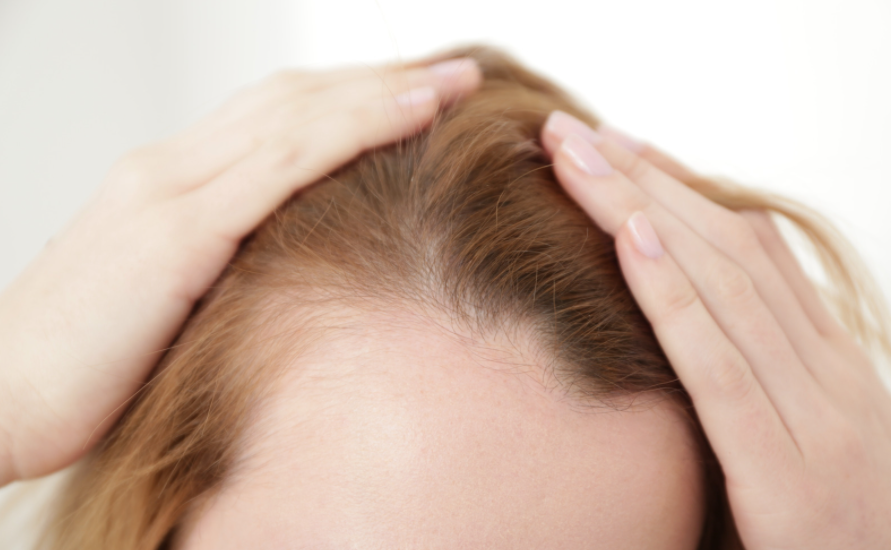
Female pattern hair loss is presented by more of the scalp becoming visible and wider partings observed over time rather than a sudden hair fall.

Seeing a Trichologist will include various examinations to exclude other types of hair loss and to determine if any hairdressing practices or scalp issues are causing or adding to the problem.

Categories
Uncategorized

How to Tell If Your Hair Is Healthy: A Complete Checklist

Healthy hair isn’t defined by shine alone. True hair health comes from strength, elasticity, hydration, and a balanced scalp. If you’re unsure whether your hair is in good condition, this checklist will help you assess it quickly and accurately.

Use these simple tests and visual cues to understand what your hair needs and how to keep it thriving.

  1. Your Hair Has a Natural, Consistent Shine

Healthy hair reflects light evenly and looks smooth from root to tip.
Signs of healthy hair:

  • natural sheen
  • smooth surface
  • even light reflection

Signs of damage:

  • dullness
  • rough texture
  • uneven appearance

Visual example: a glossy, smooth strand compared with a dry, frayed one.

  1. Your Hair Feels Smooth From Root to Tip

Run your fingers down a strand.

Healthy hair feels:

  • soft
  • smooth
  • consistent in texture

Unhealthy hair feels:

  • rough
  • brittle
  • bumpy (a sign of cuticle damage)

Visual example: a smooth cuticle layer versus a lifted, damaged cuticle.

  1. Your Hair Has Good Elasticity

Elasticity shows how well your hair stretches without breaking.

Test: gently stretch a single strand.

Healthy hair:

  • stretches and returns to its original length
  • feels flexible

Unhealthy hair:

  • snaps immediately
  • feels stiff or overly stretchy

Visual example: a strand that stretches and bounces back versus one that snaps mid‑stretch.

  1. Minimal Breakage and Split Ends

Healthy hair maintains its structure.

Signs of healthy hair:

  • few visible split ends
  • minimal breakage when brushing
  • clean, intact ends

Signs of damage:

  • frayed or feathered tips
  • white dots at the ends
  • lots of short, broken pieces

Visual example: a clean, blunt end versus a frayed, split end.

  1. Your Hair Retains Moisture Well

Healthy hair holds hydration.

Healthy hair:

  • feels soft for days after washing
  • doesn’t tangle excessively
  • absorbs products evenly

Unhealthy hair:

  • feels dry within hours
  • tangles easily
  • soaks up products but still feels dry

Visual example: a hydrated curl clumping together versus a dry curl separating and frizzing.

  1. Your Scalp Feels Comfortable and Balanced

Healthy hair starts with a healthy scalp.

Healthy scalp:

  • no itching
  • no flaking
  • no redness
  • no tightness or burning

Unhealthy scalp:

  • persistent itch
  • flakes or oil imbalance
  • soreness or sensitivity
  • visible redness or bumps

Visual example: a calm, even‑toned scalp versus an inflamed or flaky one.

  1. You Shed a Normal Amount of Hair

Shedding is normal — losing 50–100 hairs per day is typical.

Healthy hair:

  • sheds consistently
  • regrows at a normal rate
  • maintains density

Unhealthy hair:

  • sudden increase in shedding
  • visible thinning
  • widening parting

Visual example: a normal amount of shed hair in a brush versus excessive shedding.

  1. Your Hair Responds Well to Styling

Healthy hair behaves predictably.

Healthy hair:

  • holds styles
  • smooths easily
  • resists frizz with minimal product

Unhealthy hair:

  • won’t hold shape
  • frizzes quickly
  • feels unmanageable

Visual example: a smooth blow‑dry versus a frizzy, uneven finish.

Quick Healthy Hair Checklist

Healthy hair typically shows:

  • natural shine
  • smooth texture
  • good elasticity
  • minimal breakage
  • balanced moisture
  • comfortable scalp
  • normal shedding
  • predictable styling behaviour

If several of these areas are lacking, your hair may need targeted care or professional assessment.

Final Thoughts

Healthy hair is the result of strong strands, balanced moisture, and a calm, well‑functioning scalp. If you notice dryness, breakage, scalp irritation, or increased shedding, it may be time to adjust your routine or seek professional guidance.

A trichologist can help identify the cause and guide you toward healthier, stronger hair.

Categories
Uncategorized

Trichology Clinic October 2012

There is some news on a new drug to rival Minoxidil for hair growth. A new research report appearing online in The FASEB Journal shows how the FDA-approved glaucoma drug, bimatoprost, causes human hair to regrow. It’s been commercially available as a way to lengthen eyelashes, but these data are the first to show that it can actually grow human hair from the scalp.
“We hope this study will lead to the development of a new therapy for balding which should improve the quality of life for many people with hair loss,” said Valerie Randall, a researcher involved in the work from the University of Bradford, Bradford, UK. “Further research should increase our understanding of how hair follicles work and thereby allow new therapeutic approaches for many hair growth disorders.”
To make this discovery, Randall and colleagues conducted three sets of experiments. Two involved human cells and the other involved mice. The tests on human cells involved using hair follicles growing in organ culture as well as those take directly from the human scalp. In both of these experiments, the scientists found that bimatoprost led to hair growth. The third set of experiments involved applying bimatoprost to the skin of bald spots on mice. As was the case with human cells, the drug caused hair to regrow. “This discovery could be the long- awaited follow up to Viagra that middle-aged men have been waiting for,” said Gerald Weissmann, MD, editor-in-chief of The FASEB Journal. “Given that the drug is already approved for human use and its safety profile is generally understood, this looks like a promising discovery that has been right in front of our eyes the whole time.